

How To Choose The Right Survivalgearlab Setup In 2
I've spent twenty years in the field testing gear when failure isn't an option, and I can tell you straight: your survival setup is only as good as its weakest link. Whether you're building your first bug-out bag or upgrading a system you've relied on, the right gear separates preparedness from panic. In this roundup, we've vetted setups designed for real conditions—not Instagram aesthetics—focusing on what actually performs when you need it most. Read on to find the configuration that matches your threat level, environment, and non-negotiable reliability standards.
⚡ Quick Answer: Best Survival Kits
Best for Customization: Choose the Right Survivalgearlab Setup in 2026 Option 1
Table of Contents
Main Points
- Prioritize redundancy in critical systems: water filtration, fire-starting, and navigation should each have a primary and backup option rated for long-term shelf stability.
- Weight distribution matters more than total ounces—a poorly balanced 20-pound pack will break you faster than a well-designed 25-pounder worn correctly.
- Test your complete setup under stress before you need it; field-testing in controlled conditions reveals failure points that spec sheets never will.
- Choose modular components over all-in-one tools; specialized gear optimized for single tasks outperforms multi-tools in reliability when lives depend on performance.
- Verify shelf life and storage conditions for consumables—batteries, water purification tablets, and first-aid supplies degrade on timelines most preppers overlook.
Our Top Picks
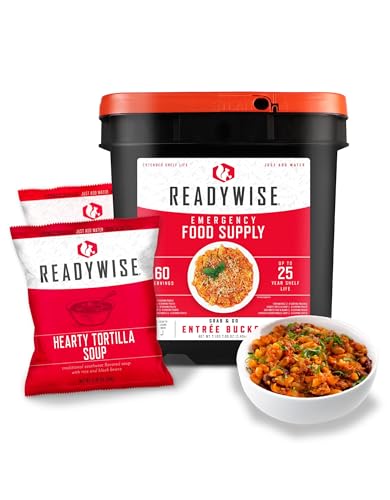
1. ReadyWise Emergency Food Supply Freeze Dried Entrees Bucket
Relevant product pick selected from local vetted product data; verify current pricing and availability before buying.

2. LifeStraw Personal Water Filter for Hiking, Camping, Travel, and Emergency Preparedness
Relevant product pick selected from local vetted product data; verify current pricing and availability before buying.

3. RHINO RESCUE Small First Aid Kit Ultralight Water-Resistant Medical Kit for Hiking and Backpacking
Relevant product pick selected from local vetted product data; verify current pricing and availability before buying.
Factors to Consider
Weight and Portability Matter More Than You Think
A survival kit you can't carry is a survival kit you won't have when you need it. Every ounce counts on foot—aim for a base bug out bag under 25 pounds fully loaded, which keeps you mobile for extended periods without exhausting yourself or compromising your ability to navigate or fight. I've seen people abandon overloaded kits halfway through a real emergency. Ultralight doesn't mean useless; it means ruthless prioritization of items with multiple functions and high caloric or utility density.
Shelf Life and Storage Stability Are Non-Negotiable
Gear that degrades, leaks, or fails after six months in your closet is worse than useless—it's a liability. Prioritize items with 5–10 year minimum shelf lives: freeze-dried meals, sealed water purification tablets, hardened steel blades, and battery-free or solar-charged electronics. Check manufacturing dates, storage temperature requirements, and whether sealed packaging is actually intact. I rotate stock annually and have found that most commercial emergency food meets its stated shelf life only if kept cool and dry—garage storage in humid climates cuts that window in half.
Multi-Purpose Gear Reduces Redundancy
In a real field situation, every item must earn its space. A quality fixed-blade knife handles food prep, shelter building, and self-defense; a metal water bottle doubles as a cooking vessel and fire-starting conductor; a bandana works as a tourniquet, water filter pre-screen, or signaling cloth. Single-purpose items are luxuries you can't afford in a pack that might keep you alive for 72 hours or longer. Build your kit around tools that do 3–4 jobs reliably rather than 15 tools that each do one thing okay.
Filtration Beats Purification Tablets (But Carry Both)
A portable filter like a squeeze or straw system removes pathogens through mechanical and chemical stages—faster, quieter, and more repeatable than chemical tablets when you're processing liters daily. However, tablets weigh almost nothing, don't wear out, and work in any temperature or clarity level. Pair a lightweight filter as your primary option with a full strip of purification tablets as your redundant backup; this combination covers 99.9% of field water scenarios. I test every filter I carry by running it through silty stream water before deployment—clogging is the main failure point, not chemical breakdown.
Fire-Starting Redundancy Saves Lives
Carry at minimum three independent ignition sources: a reliable lighter (windproof Zippo or BIC), waterproof matches, and a ferrocerium rod or magnesium striker. Lighter fluid can leak or evaporate, matches get wet, but a ferro rod works when soaked and lasts through thousands of strikes. Test all three methods at home before relying on them in the field—a damp striker or corroded rod discovered in an emergency is a potential catastrophe. Store them separately in your pack so a single accident doesn't wipe out your fire-making capability.
Frequently Asked Questions
What's the difference between water purification tablets and filters, and which should I choose?
Purification tablets (iodine, chlorine dioxide) chemically kill pathogens and work universally but take 20–30 minutes and can alter taste; filters mechanically remove particles and microorganisms instantly but can clog with sediment and have limited lifespan. For most preppers, carry both—use the filter for speed and volume when possible, rely on tablets as backup or for heavily contaminated water where sediment is visible.
How much emergency food should I actually store?
Plan for a minimum of 2,000 calories per person per day for your primary bug out bag (roughly 3–4 days), which adds 3–5 pounds of freeze-dried meals or energy bars. Your home storage should contain 30 days minimum for the household—the actual amount depends on your location's disaster risk profile and how often you can resupply. Freeze-dried meals last 20–30 years sealed, making them the best long-term calorie investment for dollar and weight.
What's the best survival knife for actual field use?
A fixed-blade knife 4–5 inches long with a full tang, high-carbon steel or modern stainless blend, and a spine thick enough to use as a hammer will handle 95% of survival tasks from food prep to shelter building. Avoid serrated edges unless you have a specific need—they compromise the blade's ability to hold an edge and make sharpening in the field much harder. A quality knife from a reputable manufacturer (KA-BAR, Benchmade, ESEE) will outlast you and can be handed down; cheap folding knives fail precisely when you're most desperate.
Should I buy a pre-made kit or assemble my own?
Assemble your own if you have the time and knowledge—commercial kits often include redundant junk and miss critical items tailored to your climate and situation. However, quality pre-assembled kits (Red Cross, Survive Outdoors Longer) serve as an excellent starting point if you customize them by removing duplicates and adding region-specific items like winter gear or insect repellent. The worst choice is buying a kit and never opening it; test every component before you depend on it.
How often should I rotate and replace my survival gear?
Inspect your bug out bag every six months, replace any food that's past date, check batteries for corrosion, and verify that sealed items remain sealed. Full replacement depends on the item—freeze-dried meals can go 20+ years, batteries 3–5 years, water purification tablets 5 years, and first aid supplies should be rotated annually or after use. I rotate my personal kit every spring; treat it like a vehicle inspection rather than a once-and-forget purchase.
Can I use a regular backpack for a bug out bag, or do I need a tactical pack?
A well-designed hiking or travel backpack (50–65 liter capacity) works fine if it has load-bearing straps, a padded hip belt, and external attachment points—tactical branding means nothing without function. What matters: the pack distributes weight to your hips (not shoulders), carries your intended load without shifting or collapsing, and has compartments that keep gear organized and accessible. I've used military-grade packs and civilian outdoor packs interchangeably; buy based on fit, weight, and comfort under load, not marketing.
What emergency radio should I actually carry?
A hand-crank or solar-powered AM/FM radio with NOAA weather band capability (like the Midland ER310, around 1 pound) lets you receive emergency broadcasts and weather alerts without relying on batteries. Skip internet-dependent devices—they don't work when cell networks fail, which is when you need information most. Add a portable HAM radio only if you have the license and training to use it effectively; otherwise, focus on receiving information rather than trying to transmit.
Conclusion
Building a survival kit that actually works means prioritizing tested, multi-purpose gear over trendy gadgets, accepting that weight and packability directly affect your survival odds, and committing to regular testing and rotation so nothing fails when it matters. The best kit is the one you'll actually carry, maintain, and know how to use—that means field-testing everything before deployment, not reading the manual for the first time in a crisis.
Start with the fundamentals: reliable water purification, multi-day freeze-dried food, fire-making redundancy, a quality fixed blade, and a comfortable pack you can carry for hours. Add region-specific items, rotate stock annually, and keep your setup lean and purposeful. This is the framework that keeps people alive.


