

How To Build A 72 Hour Bug Out Bag For Father S Da
A 72-hour bug out bag should weigh between 25–35 pounds fully loaded—anything heavier and you'll abandon it when fatigue sets in. I've watched experienced outdoorspeople fail because they packed for comfort instead of survival, loading 50+ pounds of gear they couldn't carry for more than a few hours. Focus on multi-use items: a good knife handles shelter, fire prep, and food processing. Every ounce must earn its place through reliability and function, not convenience.
Table of Contents
Our Top Picks
Affiliate disclosure: if you buy through these links, we may earn a commission at no extra cost to you.
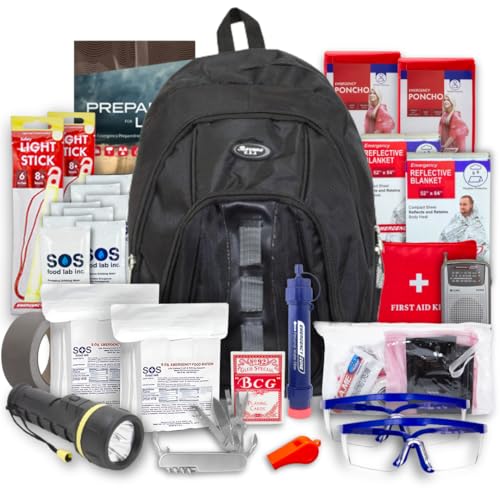
Emergency Zone Essentials 72-Hour Survival Kit - 2 Person Bug Out Bag Backpack
Check PriceCheck Price

Factors to Consider
Weight and Packability Matter More Than You Think
Water Filtration Is Non-Negotiable—Don't Skimp
Dehydration kills faster than hunger, and contaminated water can incapacitate you within hours. A quality pump filter or squeeze filter removes 99.99% of pathogens and lasts 1,000+ gallons, making it far more reliable than chemical tablets alone. Carry both a primary filter and backup purification tablets—redundancy in water systems has saved lives in the field. The cost difference between a $30 filter and a $100 one is negligible compared to the cost of waterborne illness in a survival situation.
Food Storage Must Account for Shelf Life and Caloric Density
Freeze-dried emergency meals provide 1,200–2,000 calories per package and remain shelf-stable for 25+ years when stored in cool, dry conditions. Standard granola bars or trail mix degrade within 6 months in a bug out bag kept in a vehicle or garage. Calculate your caloric needs: a 72-hour bag needs roughly 6,000–7,000 calories total, meaning 3–4 quality freeze-dried meals plus high-density snacks like nuts or energy bars. Rotate stock annually and always check expiration dates before a crisis—shelf life means nothing if the food is rancid.
Fire Starting Requires Redundancy and Simplicity
Carry at least three independent fire-starting methods: waterproof matches, a butane lighter, and a ferro rod. I've seen lighters fail in cold and matches get soaked; a ferro rod works wet and freezing and requires no fuel. Your primary fire starter should be something you've used 100+ times before an emergency—confidence and muscle memory matter as much as the tool itself. Modern lighters are cheap and reliable, but they're not enough alone; ferro rods weigh ounces and outlast everything else.
First Aid and Medical Prep Requires Honest Assessment
Pre-made first aid kits are often bloated with bandages you'll never need and missing critical items like tourniquets, Israeli bandages, and antiseptic wipes. A realistic 72-hour medical kit should address deep cuts, burns, blisters, and pain management—not every possible ailment. Research shows proper wound closure and infection prevention are more critical than quantity of supplies. Build or buy a kit that reflects actual injury scenarios you might face in your specific environment, and include any personal medications with a 90-day supply minimum.
Frequently Asked Questions
How much water should I carry in a 72-hour bug out bag?
Carry 1–2 liters as emergency backup, not as your primary supply—water is heavy and you'll need a filtration system to sustain yourself. A quality filter plus purification tablets lets you safely drink from streams, lakes, or even questionable sources, extending your effective water range from miles to unlimited. Always know where water sources are located in your bug out route before an emergency happens.
What's the best survival knife for a bug out bag?
A fixed blade knife between 4–5 inches with a full tang is more reliable than a folding knife in true survival scenarios—it won't lock up under pressure and won't break at the hinge. Stainless steel is easier to maintain; carbon steel holds a better edge but requires more care. Test any knife in your hand before buying; a tool that doesn't feel right will be abandoned when you need it most.
How long does freeze-dried emergency food actually last?
Quality freeze-dried meals remain nutritionally viable for 25–30 years when stored in cool, dark, dry conditions with proper oxygen absorption packets. Once opened or exposed to moisture, a meal degrades within days, so individual packaging is critical. Check manufacturer dates annually and rotate stock; a 72-hour bag should be refreshed every 2–3 years regardless of stated shelf life.
Do I really need an emergency radio in a bug out bag?
Yes—a hand-crank or battery-powered AM/FM radio weighs under 8 ounces and provides critical information about hazards, rescue operations, and infrastructure status when cell networks are down. In real disasters, radio broadcasts often remain operational when internet and phone systems fail. A dual-band radio with NOAA weather alerts is worth the extra cost for situational awareness alone.
What size backpack is best for a 72-hour bag?
A 40–55 liter pack is the sweet spot—large enough for genuine 72-hour supplies without encouraging you to overpack. Anything smaller forces necessary cuts; anything larger creates bloat and weight. Test the pack loaded with actual gear before buying; comfort and balance matter as much as capacity when you're carrying it for miles on foot.
Should I keep my bug out bag in my car or at home?
Ideally, keep a primary bag at home and a smaller secondary bag in your vehicle—the location depends on your highest-probability evacuation scenario. Urban residents may need a car bag to get home; rural residents may need a home bag for immediate shelter-in-place survival. Your bag is only useful if you can access it during the specific emergency you're prepping for, so think through realistic triggers beforehand.
How often should I check and rotate my bug out bag?
Inspect your bag every 6 months for battery degradation, food expiration, and damaged gear—don't wait for a crisis to discover a failed lighter or spoiled food. Rotate consumables (food, water, batteries) annually and test fire starters and tools quarterly to build real confidence in your gear. A bug out bag that's never been opened is just expensive dead weight; familiarity with your equipment is as critical as the equipment itself.
Conclusion
A solid 72-hour bug out bag isn't about having the most gear or the flashiest brands—it's about carrying proven tools you trust, testing them before you need them, and understanding the specific threats you're prepping for. Weight, reliability, and redundancy in critical systems like water and fire are what separate kits that work from kits that fail.
For Father's Day 2026, invest in a complete system from a reputable brand with clear shelf-life documentation, then spend one weekend actually using every single item. The best bug out bag is the one you understand inside and out and have the fitness to carry for real.


